Address
P.O. Box. 29304, San Jose, CA 95123
 Comprehensive
Cancer Consultation Intake Form
Comprehensive
Cancer Consultation Intake Form


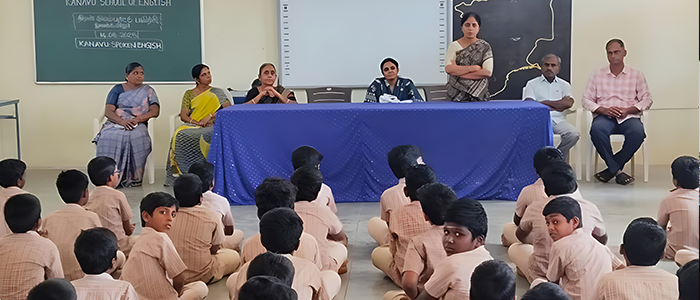
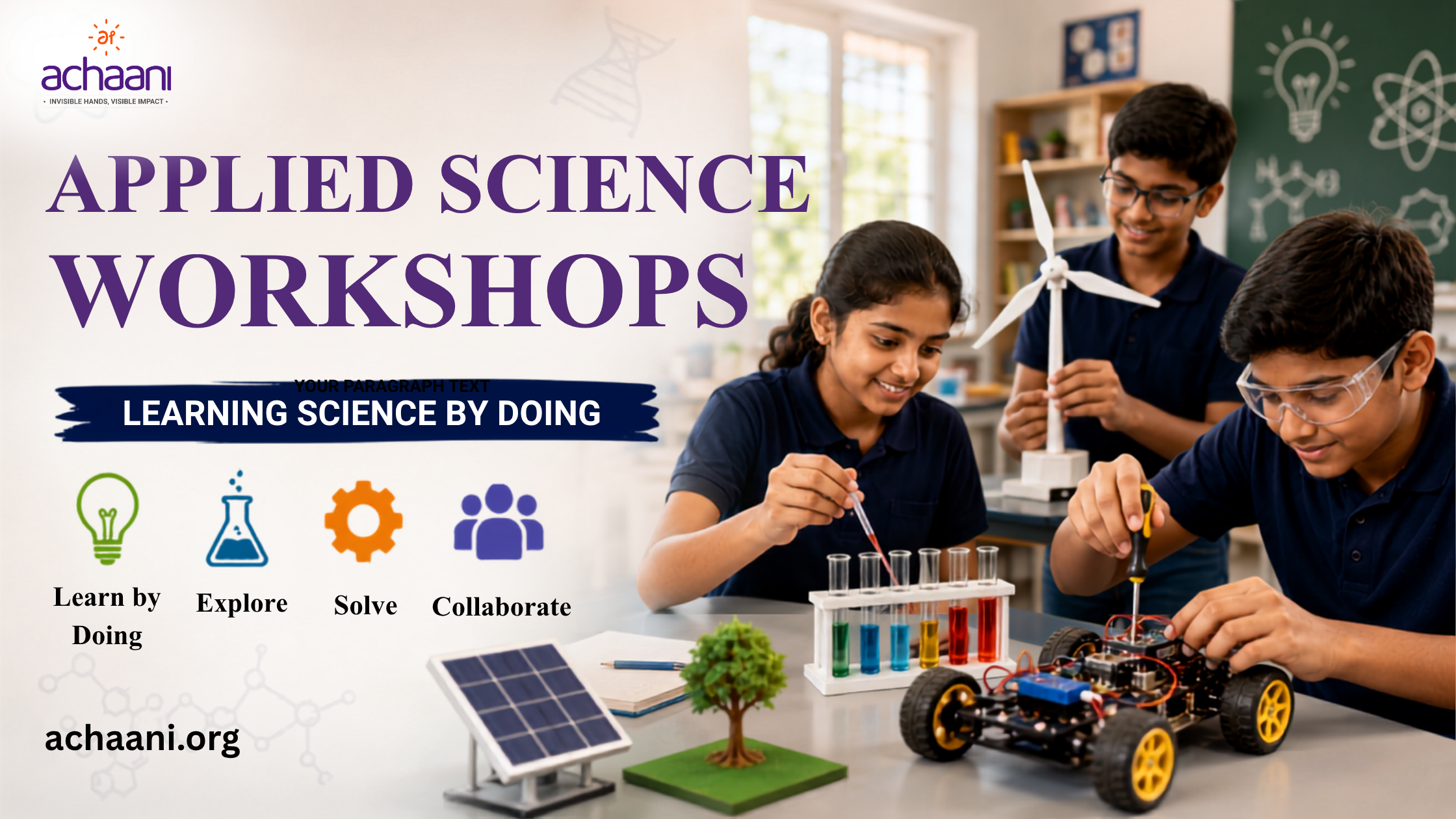
What if science class felt less like studying and more like playing with real things? That is exactly what applied science workshops are about.
Instead of reading about Newton's laws, students get to see them actually work by building, testing, and asking questions. Practical learning for students means understanding through doing, not just memorising for a test.
A 2014 meta-analysis published in the proceedings of the National Academy of Sciences (PNAS) analyzed 225 separate studies comparing traditional lecturing with active, hands-on learning in undergraduate science, technology, engineering, and math courses.
The results were clear: students taught through active learning scored about 6% higher on exams than students in lecture-only classrooms. The findings show that practical learning leads to stronger understanding and better results.
Source: Freeman et al. (2014), Active Learning Increases Student Performance in Science, Engineering, and Mathematics — PNAS.🔗 https://www.pnas.org/doi/10.1073/pnas.1319030111
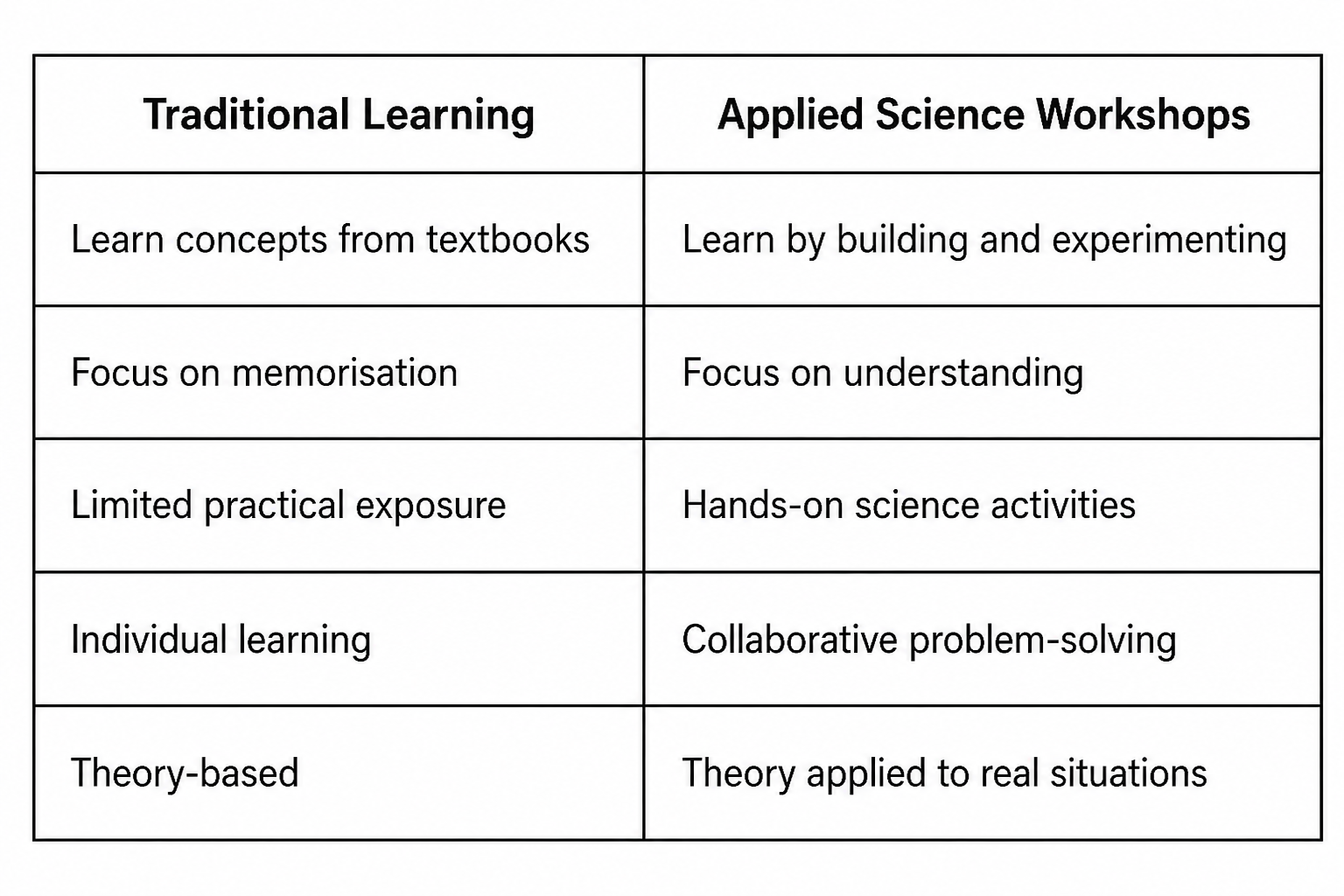
Applied science workshops do more than keep students engaged for a day. When students build, experiment, and discover concepts for themselves, they're more likely to understand them instead of simply memorising them.
Along the way, they gain the confidence to ask questions, test ideas, and learn from mistakes without fear. For many students, it's their first chance to experience science and engineering beyond a textbook.
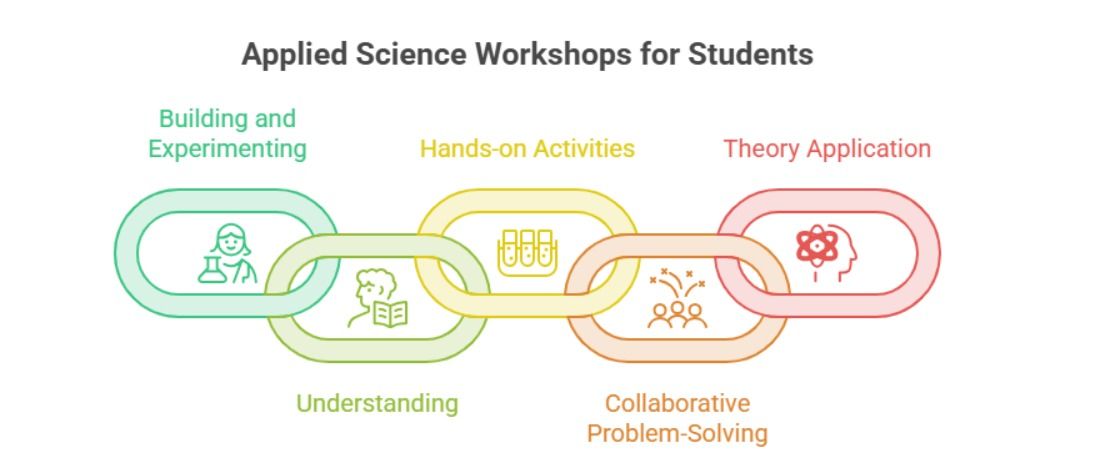
At the end of the day, education is about more than marks. It's about helping students understand, explore, and stay curious.
Students turn scientific concepts into real experiences by building, questioning, and experimenting through Kalam Ariviyal Pattarai. That's when science stops feeling like just another subject and starts making sense.
This mindset carries over into how students approach even complex, distant-feeling topics the same curiosity that drives hands-on discovery is what makes something like how antibody medicines fight disease click, rather than staying a paragraph students skim past.
Research supports this approach, and the results speak for themselves. Students gain a deeper understanding and retain concepts for longer because they did not just read about science. They did it.
