
Address
P.O. Box. 29304, San Jose, CA 95123
 Comprehensive
Cancer Consultation Intake Form
Comprehensive
Cancer Consultation Intake Form



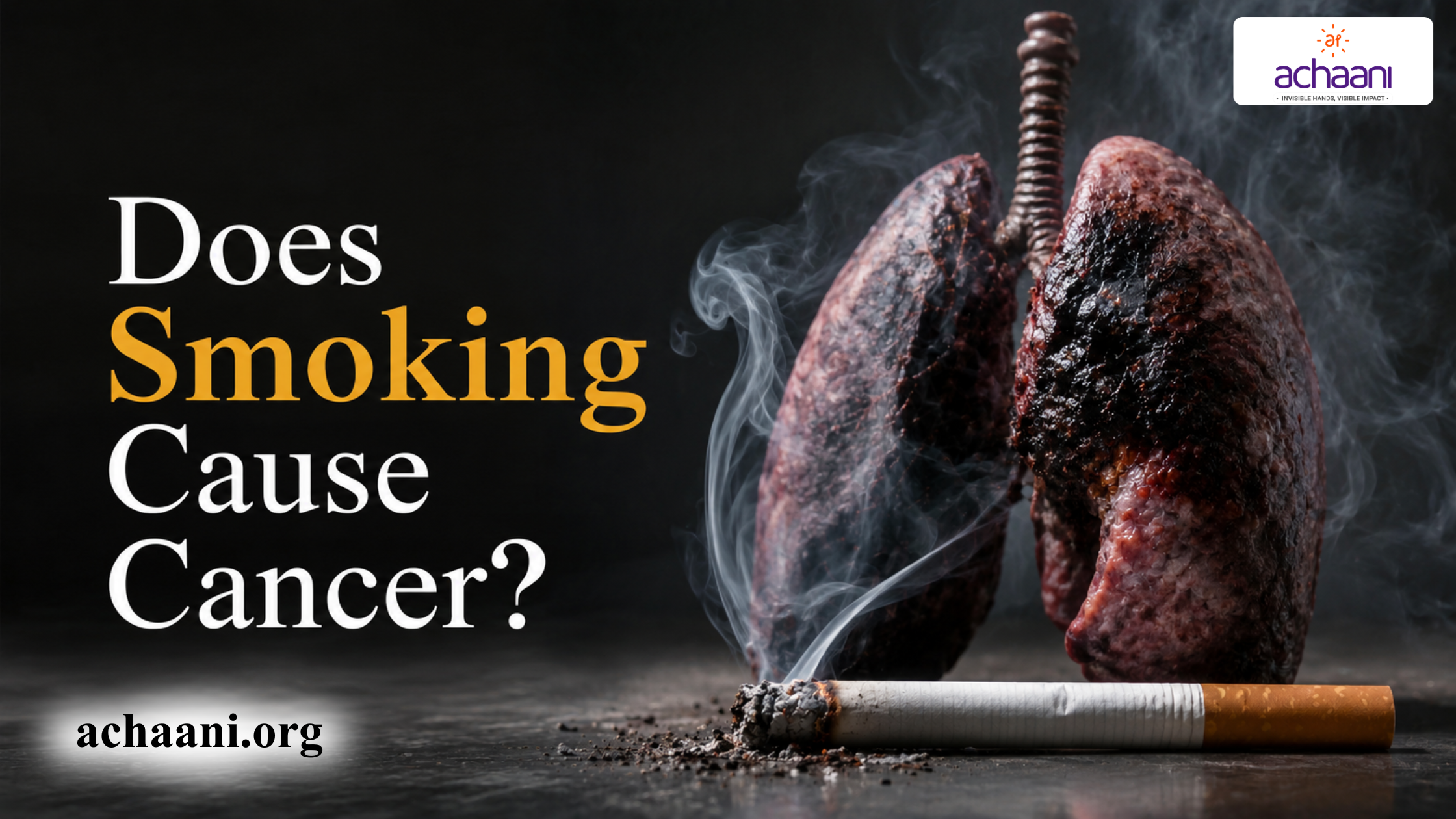
Does Smoking Cause Cancer? Yes. Smoking is a major cause of cancer and can be prevented. Cigarette smoke contains thousands of harmful chemicals that can damage DNA and cause abnormal cells to grow. According to the WHO, tobacco exposure is a significant risk factor for numerous serious diseases.
Myth: Cigarettes are linked to lung problems.
Fact: Cigarette consumption is associated with tumours affecting the lung, mouth, throat, oesophagus, stomach, liver, pancreas, kidney, bladder, colon, rectum and cervix. The NCI explains these established links.
Myth: Are light or filtered cigarettes safer?
Fact: They are not safer alternatives. Labels such as “light” do not make these products harmless or reduce their dangers. The NCI explains why these products should not be viewed as healthier options.
Myth: Can only smokers develop respiratory problems?
Fact: People who have never smoked may also develop this condition. Involuntary inhalation, radon, air pollution and certain workplace exposures can contribute to susceptibility. The WHO outlines recognised factors.
Myth: Quitting after years of dependence is pointless.
Fact: Stopping can benefit wellbeing at any age. The NCI notes that quitting lowers the likelihood of several related illnesses.
Also Read: Explore Health Education and Science Education with Achaani.
These points separate popular beliefs from evidence-based guidance. Carcinogenic chemicals enter the body. These substances can damage DNA and interfere with normal cellular processes. As genetic changes accumulate, cells may multiply without proper control, potentially leading to tumour formation. The WHO explains how this link contributes to condition development.
No. Giving up can improve health at any stage of life. After cessation, the likelihood of several serious conditions gradually decreases. Healthcare professionals, supportive relatives and recognised cessation programmes can help manage cravings and maintain progress throughout the quitting process today.
Reliable information can help people understand the risks of smoking and avoid misleading claims. At Achaani, the goal is to make health information simple and easy to understand.
Knowing the facts can help people make better choices, understand the benefits of quitting, and take steps toward a healthier future.
Does Smoking Cause Cancer? Yes. Understanding the risks is an important first step toward avoiding smoking-related harm and making healthier choices. If you or someone you know is affected by cancer and needs guidance, get help with cancer care through Achaani.
