
Address
P.O. Box. 29304, San Jose, CA 95123
 Comprehensive
Cancer Consultation Intake Form
Comprehensive
Cancer Consultation Intake Form



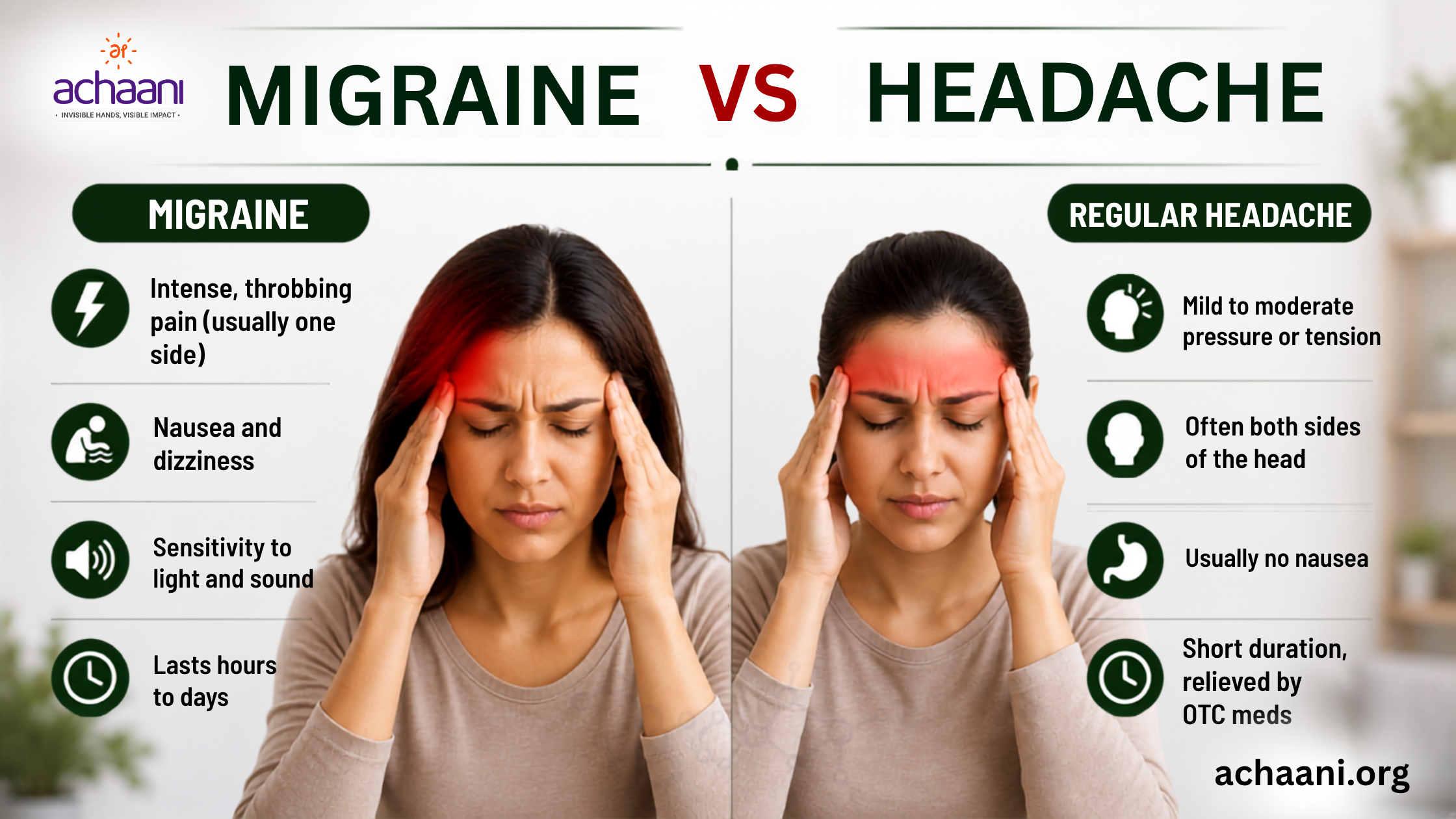
Everyone has had a headache. You drink some water, rest for an hour, and it passes. But what about the one that does not pass? The one that comes back every morning, sits behind your eyes, or arrives with a flash of light you cannot explain?
That is when it is worth knowing the difference between an ordinary headache and something that needs a doctor.
Almost everyone gets headaches, and almost none of them are dangerous. This is about spotting the small number that are worth a doctor's visit - not about worrying over every headache.
Not all head pain is the same. Here is a breakdown of the common types of headaches and what they could mean.
| Type of Head Pain | What It Feels Like | What It Could Mean |
|---|---|---|
| Tension headache | Dull pressure, both sides | Stress, dehydration, posture |
| Migraine | Throbbing, one side, with nausea or light sensitivity | Neurological trigger, needs monitoring |
| Cluster headache | Severe, around one eye, comes in cycles | Requires medical evaluation |
| Morning headache | Present on waking, worsens with activity | Could be a headache warning sign worth investigating |
| Sudden severe headache | Worst headache of your life, comes instantly | Seek emergency care immediately |
Source: 🔗 American Migraine Foundation — Migraine Basics
Understanding the difference between migraine vs headache starts with knowing how each one feels
The vast majority of headaches have nothing to do with cancer. The lifetime risk of a cancerous brain tumour is under 1%, and Johns Hopkins Medicine notes that the chance a headache signals a brain tumour is very remote.
That said, certain patterns are worth a doctor's visit - not because they are likely serious, but because they are easy to check:
These are the headache warning signs that deserve attention — not alarm.
Source: 🔗 Johns Hopkins Medicine — Brain Tumor Headaches
Source: 🔗 Cleveland Clinic — Brain Tumour Risk
Most headaches are harmless. But a headache that is new, keeps getting worse, or comes with other symptoms is worth checking not because it is likely serious, but because it is easy to find out. Discussions around early cancer detection increasingly include neurological symptoms for this reason not to alarm, but to inform.
Knowing your usual headache pattern - and noticing when it changes - is what helps you catch a problem early.
Most headaches pass on their own. The ones worth checking are easy to identify - and even easier to have looked at.
Also Read: Early Warning Signs of Cancer Most People Choose to Ignore
